ADVERTISEMENT
REMOVE ADS


Learn jungle pathing, objective control, vision, and how to gank effectively. Helps junglers understand when and where to apply pressure for maximum impact and how to carry games through strategic macro play.
Contents
While the jungle is home to many different champions, not every champion is cut out for the role. There are certain pre-requisites that determine if a champion can actually function well in the jungle—things like their clear speed, sustain, gank potential, and how they impact the game overall. Because of these requirements, you'll usually see fewer champion “types” in jungle compared to roles like mid or top lane. Most jungle picks fall into a few main categories, each with its own purpose and playstyle.
Let's go over the four main jungle types:
Farmer: These champions need time. Their early game isn't always the strongest, but they make up for it with insane scaling into the mid or late game. Their playstyle revolves around clearing camps efficiently and hitting their key items or levels. The downside is they can be punished by aggressive junglers or smart early invades. If they fall behind, it takes time to bounce back. Examples include Karthus, Master Yi, and Udyr—all champions that love to farm and scale.
Ganker: These junglers don't necessarily have the fastest clears, but what they do have is pressure. Strong early engage, crowd control, or mobility lets them find early kills and create leads for their lanes. Their game plan revolves around getting their laners ahead instead of farming nonstop. Good vision control and lane awareness is key when playing against them. Think of champions like Elise, Jarvan IV, and Zac.
Duelist: If you love 1v1s and outplaying the enemy jungler, this category is for you. Duelist junglers thrive in skirmishes and don't need to power farm to be effective. They're often looking for fights—invading, forcing duels, and snowballing leads off kills. They play the mind game of where the enemy jungler will be and try to punish them hard. Examples include Kha'Zix, Lee Sin, and Shaco.
Control: These champions are all about objectives. Whether it's dragging the enemy team into a Baron fight or locking down every dragon, control junglers make the map revolve around them. They typically have great tools for securing big objectives—either by manipulating terrain, healing, or out-Smiting their opponent. Ivern, Nunu, and Trundle fall under this umbrella and are especially strong in team-focused comps.
Keep in mind, these are flexible labels—not every champion fits neatly into one box. A jungler like Nunu, for example, can easily act as a control jungler, ganker, and counter jungler all in one. It really depends on how you choose to play him and what your team needs.
But regardless of category, there's a golden rule for jungle picks: they must be able to clear their jungle without falling behind, and they must offer something meaningful to their team—whether that's gank pressure, objective control, or just raw power in fights. If a champion can't survive their first clear or contribute to team plays, it's probably not worth picking them in the jungle right now.
The foundation of a successful jungle game starts with your first clear. It's your opening move—the setup that determines your early pressure, your level advantage, and your first impact on the map. A clean, healthy clear sets you up for early ganks, invades, or Scuttle Crab control. On the other hand, a messy clear can delay your level 3, force you to recall early, and lose control of key objectives. So yeah, it matters.
Your goal in the first clear is simple: hit level 3 as quickly and safely as possible while keeping an eye out for early opportunities. This opens up options for ganking, contesting Scuttle Crab, or matching the enemy jungler. But to do that, you need smart pathing.
There's no single "correct" jungle path, and that's the beauty of it. Your path should change based on your champion, the matchup, and how your lanes are playing out. Starting Red Buff or Blue Buff is usually your first decision. For example, if your bot lane has strong early kill potential, pathing toward them can set up an early 3v2 or dive. If your top lane needs help against a bully, clearing towards top might be smarter. Adapting your route based on lane matchups gives you the best chance to influence the game early.
Invading level 1 or 2 can look flashy—but it's often a coinflip. If you don't have lane priority or good vision, you're setting yourself up to get collapsed on or forced out. Only invade if you know the enemy jungler's start, your laners are in position to help, or your champ straight-up beats theirs 1v1. Even then, dropping a ward in their jungle and backing off can give you more info than going all-in.
A big part of early pathing is knowing where the enemy jungler starts. If you see the enemy bot lane arriving late to lane, odds are they helped leash their Red Buff. That gives you clues about their pathing and where they'll likely end up. With smart guessing, you can dodge their ganks, go for counterganks, or contest the opposite side of the map.
Once you've hit level 3 and finished your first clear, scan the map. Are there pushed lanes? Is mid overextended with no flash? These are prime gank targets. Even if you don't secure a kill, burning Flash or Heal is a win—it opens a return gank later. That's value.
Your camps are your income. Since you don't get to farm lane minions like everyone else, your “gold and XP” come from the jungle—six core camps, plus the Rift Scuttler in the river. On Red Side, you've got Raptors (aka Chickens) and Krugs. On Blue Side, you've got Gromp and Wolves. Both sides share Red and Blue Buffs (officially Brambleback and Sentinel), and everyone fights for the Scuttle Crab.
After patch 8.10, only one Scuttle spawns at a time once both are cleared, making them a hot resource early. Securing it not only gives gold and XP but also vision and map control. Contesting Scuttle at level 3 is often your first test of jungle dominance.
Leashes make life easier. At level 1, your laners can help you take your first buff faster by attacking it with you—this is called a leash. Usually, your top or bot lane gives you this, depending on where you start. It's like a mini boost to get you rolling, but don't rely on it too much. Some champs clear fast even without it.
Some junglers are aggressive right out the gate. Champs like Camille, Xin Zhao, Pantheon, and Udyr have strong level 2 dueling power, and they want to fight early—whether it's invading, ganking, or contesting Scuttle. These champs often skip full clears to make something happen ASAP.
Others, like Shyvana, Fiddlesticks, Evelynn, or Zac, prefer to power farm. These are called “Level 6 junglers” because their first real power spike doesn't come until they unlock their ultimate. For them, a clean and efficient first clear is critical. Getting slowed down here delays their first big impact on the game.
A healthy first clear opens up options: you can gank immediately, rotate to Scuttle, or reset and clear again. Most junglers will look to gank a side lane after their first clear, but sometimes mid is an option too—especially if it's overextended. Knowing which lane to gank depends on map awareness, vision, and knowing lane matchups—all things we'll go deeper into later in the guide.
And remember: the better your clear, the more tools you have to control the map. Whether you want to play aggressive or reactive, it all starts here.
The jungle and the map as a whole are dictated by timers, and being aware of when camps or objectives are due to spawn will help in all games. First of all to be learned are the initial spawn timers, followed by how long they take to respawn after being killed, all of which are shown in the table below.
A lot of this information, especially for objectives and more important camps, can also be seen on the minimap or the scoreboard by pressing TAB. This is just one of the reasons why players should press TAB more in League.
Even if you're not actively tracking every spawn in your head, having a general idea of when major objectives like Dragon or Baron are coming up gives you time to plan plays, ping your teammates, or reset for fights. Once you build the habit, it becomes second nature.
Ganks are one of the most important tools in a jungler's kit. They're how you break lane stalemates, get your team ahead, and tilt the enemy off the face of the Rift. But good ganks don't just happen—you need to know where, when, and who to gank. That decision can be the difference between snowballing a lane or wasting 30 seconds and falling behind in tempo.
The first thing to look for is vulnerability. Champions who are squishy, have no escape, or are missing key Summoner Spells like Flash are easy targets. If someone is pushed all the way to your tower without vision and their Flash is down? That's practically a gift-wrapped gank. These are the kind of windows that you want to punish fast and often.
But not all champions are created equal when it comes to being ganked. Some have annoying escape tools—Vladimir's pool, Ezreal's Arcane Shift, Tristana's jump, or Fizz's troll pole can make even the cleanest setups fall apart. In these cases, weigh the risk. If you and your laner don't have lockdown or burst to follow up, it might be smarter to path elsewhere and not waste your time.
On the flip side, always check what your laner brings to the table. If they have good CC (like Ahri charm, Nautilus hook, or Renekton stun), the setup becomes way easier. You don't need to do everything yourself—sometimes you're just the second half of the combo. Synergy between your champ and your laner's kit is what makes a gank work. Double knockups, slows into stuns, or chains of CC are a nightmare for enemies to escape.
Damage also matters. It's not enough to just land your CC and high-five your teammate. If the combined burst or sustained damage isn't enough to secure the kill, you may blow everything for nothing. Ideally, your gank should result in either a kill or burning Flash, which sets up a future kill. Both are wins.
Now comes the trickier part—deciding which lane actually deserves your attention. Every lane will ping for help. But you can't be everywhere. You need to make smart decisions based on three things:
Lanes that are already winning: Doubling down on a strong lane isn't toxic—it's smart. A fed teammate can carry. If your top lane is crushing and easy to gank, go again. Take their turret, invade with them, and keep the snowball rolling.
Lanes that are even: These are perfect opportunities to tilt the balance. One good gank can swing control and give your laner a lead. But always consider enemy jungler location—getting counter ganked in an even lane can be a disaster.
Losing lanes: This one's tricky. If the enemy laner is ahead and has kill pressure, ganking might just feed another kill. If your laner has no setup or low HP, sometimes it's better to abandon ship and focus elsewhere. Farming and scaling might be the smarter play.
When it comes time to engage, don't always lead with your gap closer. If the enemy has Flash or a dash, holding your engage ability can let you catch them even after they try to run. Running up and forcing them to commit first gives you the chance to react and finish the job.
Finally, don't overlap your crowd control. If your laner lands a root or knock-up, wait half a second before chaining yours. Wasting multiple CCs at once can let the enemy walk away. And remember: even if the gank doesn't result in a kill, forcing Summoner Spells is valuable. That Flash you burn now could mean a free kill for your laner a minute later.
Smart, calculated ganks are what separate good junglers from great ones. It's not just about reacting—it's about predicting, coordinating, and turning small windows into huge advantages.
As a jungler, it's natural to feel the pull toward struggling lanes. You see your teammate getting pushed in, pinging for help, maybe even typing in all caps—and your instinct is to rush in and try to save the day. But here's the harsh truth: not every lane can be saved, and trying to gank a heavily losing lane can actually make things worse.
If a lane is already far behind—low health, down in items, no wave control, or facing a fed enemy—then your gank might just feed the other team another kill or two. You walk in hoping to turn it around, and instead, you hand the enemy even more gold, more XP, and a free snowball into mid-game. It's a quick way to throw tempo and fall behind as a team.
In these cases, the best thing to do is cut your losses. That might mean:
Remember: a gank's best-case scenario in a losing lane is often just bringing your ally back to even—and even that's not guaranteed. But ganking a neutral or winning lane? That can turn small leads into huge ones, opening up pressure for objectives, roams, and tower dives.
Also, keep in mind the enemy jungler is watching too. Losing lanes are magnets for counterganks. If you're low on health or your laner is weak, it only takes a single counter-engage to give the enemy a double kill and full lane control.
It might feel cold, but sometimes the best call is no call at all. Focus on what you can control. Farm your jungle, track the enemy, gank lanes that have kill pressure, and secure objectives like Dragons and Rift Herald. Every play you make should serve a bigger purpose—either pushing your win condition or denying the enemy's.
And if your losing laner flames you for “never helping”—so be it. Your job is to win the game, not babysit a lane that's already lost.
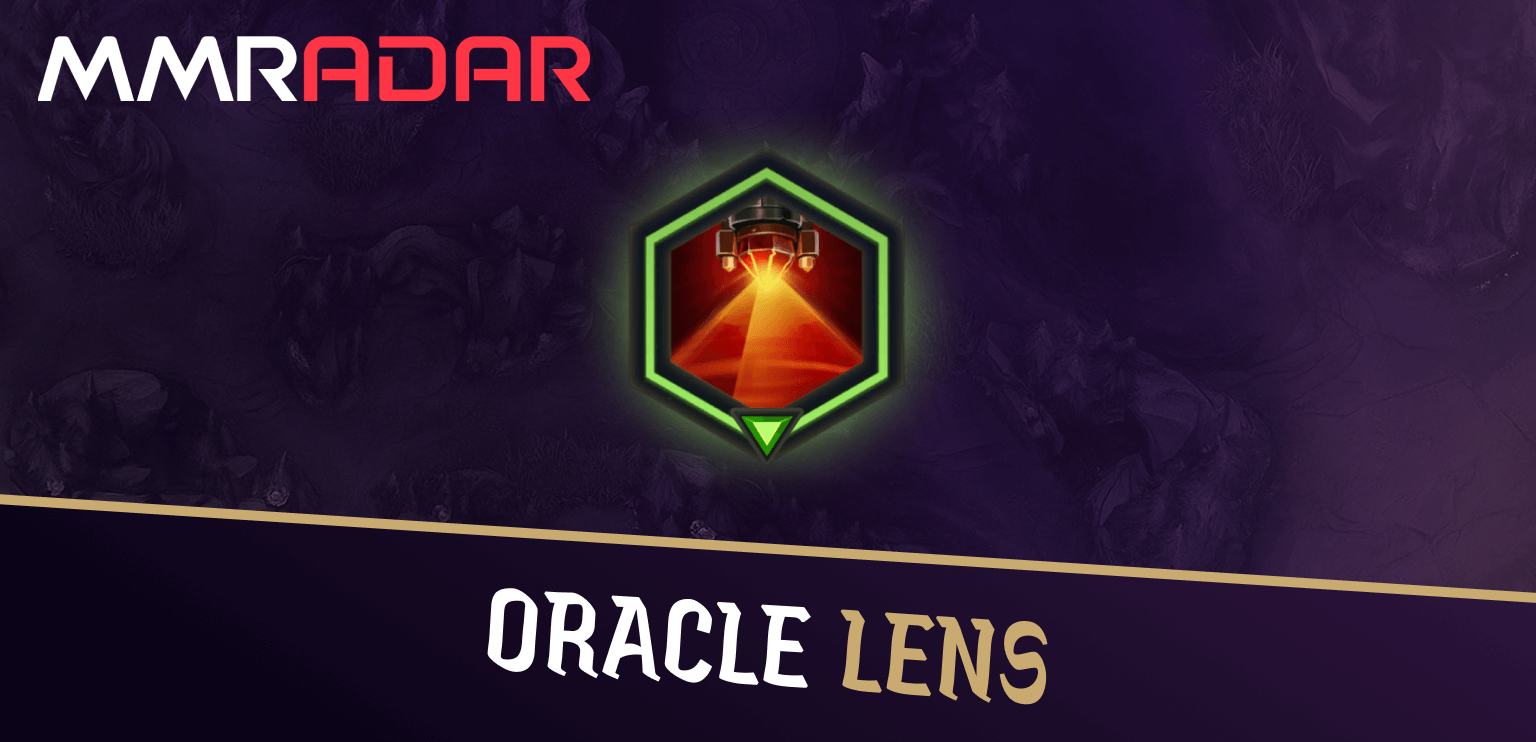
One of the most underrated tools in a jungler's kit is vision control—specifically, using your Oracle Lens (aka Sweeper) to clear enemy wards. A big part of landing successful ganks isn't just picking the right lane—it's making sure the enemy doesn't see you coming.
Most junglers will swap out their default Stealth Ward for an Oracle Lens right at level 1. It's completely free and available at the shop before you leave base. Sweeper lets you check bushes, jungle entrances, and other common ward spots for hidden vision, denying enemies the chance to track your movement or warn their laners in advance.
You should use your Oracle Lens when:
Another great tool is the Control Ward, which you can buy for 75 gold. Unlike Oracle Lens, Control Wards stay on the map until destroyed, and can both reveal wards and disable them. Just remember: you can only have one Control Ward on the map at a time, so place it somewhere meaningful—like river bushes, jungle entrances, or near objectives.
If you activate your Sweeper and see a ward, don't ignore it. Clear the ward and back off. Ganking a lane that just saw you on vision is rarely worth it. The laner will be hugging their tower or calling for backup, and you've just wasted time and given away your position. Instead, think of it as winning the vision war—you denied information, and that alone can shift pressure.
Ganks work best when they're unexpected. Your goal as a jungler is to strike from the fog of war, hitting the enemy before they even know you're there. Using Oracle Lens correctly is how you stay invisible—not literally, but strategically. When they don't see it coming, they can't react in time.
Whether you're invading, ganking, or setting up for objectives, using your Sweeper early and often is a habit that will instantly make you a better jungler. Information wins games—and denying it wins them even faster.
“Camping” a lane is a legit strategy—and a highly effective one when used right. The idea is simple: you pick a single lane and repeatedly gank it, over and over, turning it into a no-fun zone for the enemy laner. It might sound excessive, but when executed well, it can completely shut down a carry or launch your teammate into hyper-carry status.
But this isn't something you do every game. There are two main reasons to camp a lane:
Imagine a Nasus vs. Darius top lane. You know Nasus scales hard, but he's weak early. Darius? The exact opposite—he's a lane bully who wins most early trades. If you leave Nasus alone, Darius will stomp him, zone him off CS, and maybe snowball the entire game. But if you camp top—showing up for early ganks, countering dives, punishing Darius when he overextends—you protect your Nasus and deny Darius his lead. That one decision can flip the entire outcome of a scaling matchup.
Or say it's mid lane: a Yasuo vs. Zed matchup. Yasuo is holding his own, but Zed is dangerous if he gets rolling. By camping mid and helping Yasuo get a kill or two, you're not just feeding your laner—you're delaying Zed's powerspike, forcing him to play scared, and setting your team up for easier teamfights later on.
Camping a lane also has a psychological effect. If an enemy laner gets ganked three times in ten minutes, they start to tilt. They play scared. They miss CS. They flame their jungler. And suddenly, that lane is no longer a threat—it's just another source of gold for your team.
That said, don't overdo it. Camping should always be intentional, not just because it feels good. You're making a trade—you're ignoring two other lanes, so the lane you choose needs to be worth it. Ask yourself: If I invest in this lane, will it carry the game? Will shutting this enemy down cripple their team comp?
If the answer is yes—set up your tent, grab some marshmallows, and keep ganking.
Tower dives are one of the riskiest plays in League—but when done right, they're also some of the most game-breaking. Sometimes the enemy is low, sitting under tower with no summoners, and you know you can kill them. But the problem isn't the fight—it's the turret aggro.
Turret aggro is triggered when you damage an enemy champion while they're under their tower, and it gets stronger with each consecutive shot it lands on you. Dive wrong, and you'll end up giving the enemy a free shutdown and wasting your team's lead. But dive smart, and not only do you get the kill—you crack open the lane and open the map.
So what's the formula for a successful dive?
First, don't rush it. Clear the enemy wave before diving if possible. You want your own minions to tank the turret for the first few shots. If the enemy has no wave, the tower immediately targets the first champ who steps in and deals damage—usually the one engaging. By clearing their wave and having more minions under tower, you buy yourself time to execute the dive cleanly.
Second, assign tower aggro properly. A good dive is often started by the support, or the jungler, not the ADC. ADCs are usually squishy and can't afford to tank turret shots. Let someone with more health or mobility start the dive—someone who can absorb the damage or escape after taking aggro. Once the dive is underway, make sure the focus target dies quickly, and whoever takes the first hit backs off immediately after landing their ability or auto. That way, turret aggro resets before the tower can chunk down the whole team.
Also, timing is everything. Tower dives are strongest when:
If all those things line up, a clean dive often ends with a kill, turret plates, or even the entire tower falling. On top of that, the enemy team might be caught rotating late to respond, giving you more pressure across the map.
Remember: vision wins dives. If the enemy jungler is hovering nearby, a failed dive turns into a double kill and a blown lead. But with good communication, clean aggro juggling, and a bit of coordination, tower dives can turn the tide of the game in just a few seconds.
As a jungler, you might feel like touching a lane's minions is off-limits—like it's sacred ground that only laners are allowed to touch. But the truth is, there are plenty of times when taking lane farm is not only okay—it's the right play. Knowing when to step in and grab those waves can make a real difference in your team's overall gold and XP lead.
One of the most common and justified times to farm a lane is when nobody else is there to do it. Maybe your laner just died, recalled, or is roaming. If there's a wave crashing into your turret and nobody's around to catch it, it's your job to step in. Leaving those minions to die to the tower is just wasting free gold and XP. Those resources could go to you—and by extension, your team.
Another great opportunity comes after a gank where both laners die. If you've just shown up for a fight and both your teammate and the enemy laner go down, you should almost always push the wave into the enemy tower. Doing this forces the enemy to miss CS and resets the wave in a neutral or better spot for your teammate. Not pushing it means they come back to a bad lane state while the enemy grabs all the farm and builds a lead.
And of course, timing matters. You shouldn't walk mid and take a full wave just because you passed by. If your laner is coming back from base, pinging you off, or clearly intends to catch the wave, back off. But if the wave is dying and no one's there? Take it. Help yourself—and your team.
Smart wave farming also helps you stay relevant. There will be games where the jungle is dry, lanes are ungankable, and objectives aren't up. Don't waste time hovering and hoping something happens. Take that time to grab a wave or two where appropriate, keep your gold income flowing, and stay ahead in levels.
At the end of the day, your job as a jungler is to create and protect leads. That means no gold should go to waste. Take the farm when it makes sense, and your team will thank you later—even if they don't realize it at the time.
If you've ever walked up to your buff and found it mysteriously missing, congrats—you've been counterjungled. And while it may feel frustrating, it's actually a core part of high-level jungle play. The idea behind counterjungling is simple: you take their camps, get ahead, and leave them behind. It's both a power move and a mental one—and if done well, it can win games on its own.
But this isn't something you do recklessly. There are rules. If you're going to invade, make sure either:
To pull this off, vision is your best friend. Oracle Lens (Sweeper) is available at level 1 now, and you should be using it regularly to check for wards before sneaking into enemy territory. You can also use the Scryer's Bloom (the blue plant) to scout for the enemy or check if a camp has been cleared—it even reveals stealthed champs and wards in a wide area.
So, what do you actually take?
The rule of counterjungling: get in, clear fast, and get out. Don't linger. Don't pick a fight you can't win. If you're confident, sure—bait the enemy in, collapse with your laners, and turn it into a free kill. But most of the time, you're just there to grab what you can and leave them starving.
You can counterjungle at any point in the game, but here are the best windows:
Counterjungling isn't just about gold—it's psychological warfare. You're denying them XP, slowing their clears, and messing with their tempo. A jungler who gets invaded constantly starts to second-guess every step they take. They stop playing the map—they start playing scared.
And for the record? Just because you gave up First Blood doesn't mean the game is over. You can come back through smart counterjungling, good decision-making, and never taking fights you can't win. Some of the biggest jungle leads come from simply knowing when to walk into the enemy's jungle and say, “This is mine now.”
Jungle is one of the most impactful roles in League, but it's also one of the most demanding. From managing camps and ganks to controlling objectives and reading the map, a good jungler is part shot-caller, part assassin, and part support.
If there's one thing to take away from this guide, it's this: every decision you make shapes the game. Whether it's a smart path, a clutch gank, or a clean counterjungle, your impact is felt everywhere—even if it's behind the scenes.
So keep learning, keep adapting, and most importantly—stay ahead of the enemy jungler.


ADVERTISEMENT
REMOVE ADSMMRADAR.GG isn't endorsed by Riot Games and doesn't reflect the views or opinions of Riot Games or anyone officially involved in producing or managing League of Legends. League of Legends and Riot Games are trademarks or registered trademarks of Riot Games, Inc. League of Legends © Riot Games, Inc.